Men's Health
HoLEP Masterclass at Stellenbosch University
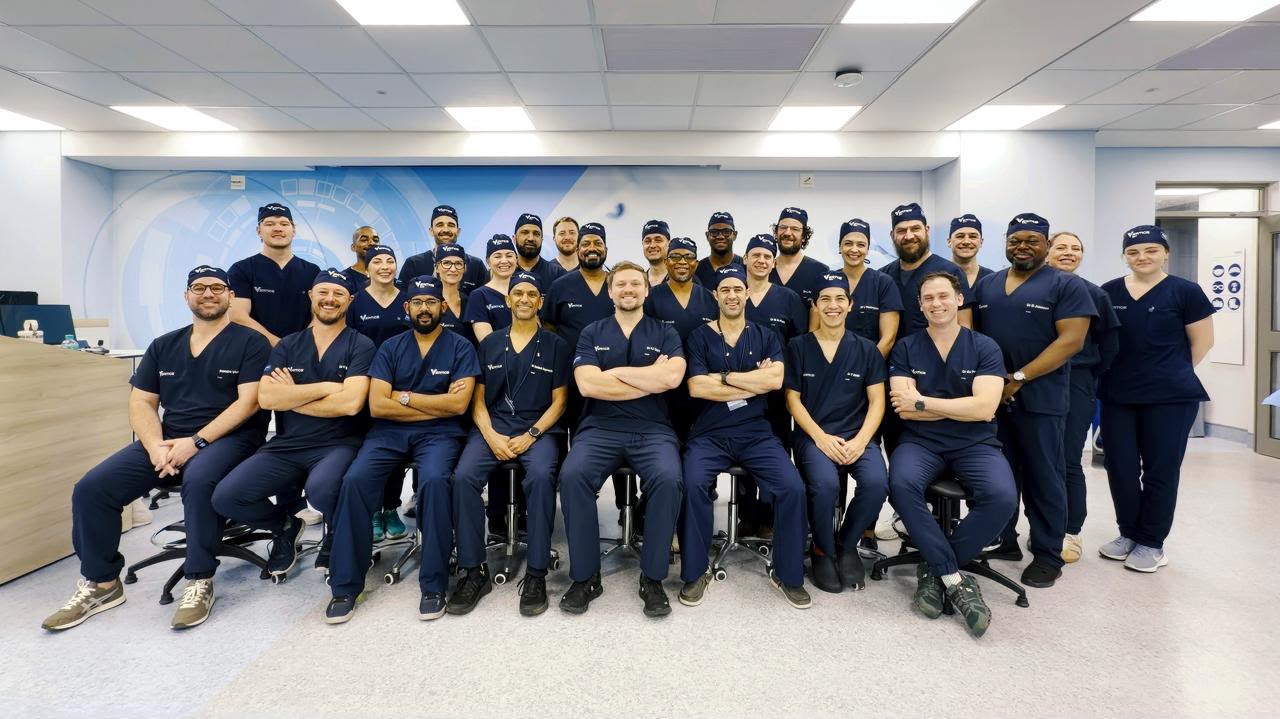
In August 2026, Stellenbosch University hosted a HoLEP Masterclass at their world-class Sunskills Lab, in association with Quanta Lasers from Vertice. I was amongst the

In August 2026, Stellenbosch University hosted a HoLEP Masterclass at their world-class Sunskills Lab, in association with Quanta Lasers from Vertice. I was amongst the

Dr Santosh Bugwandin Leading a HoLEP workshop on the KZN South Coast Bringing HoLEP surgery to Shelly Beach Hospital in July 2026- Dr Bugwandin spent
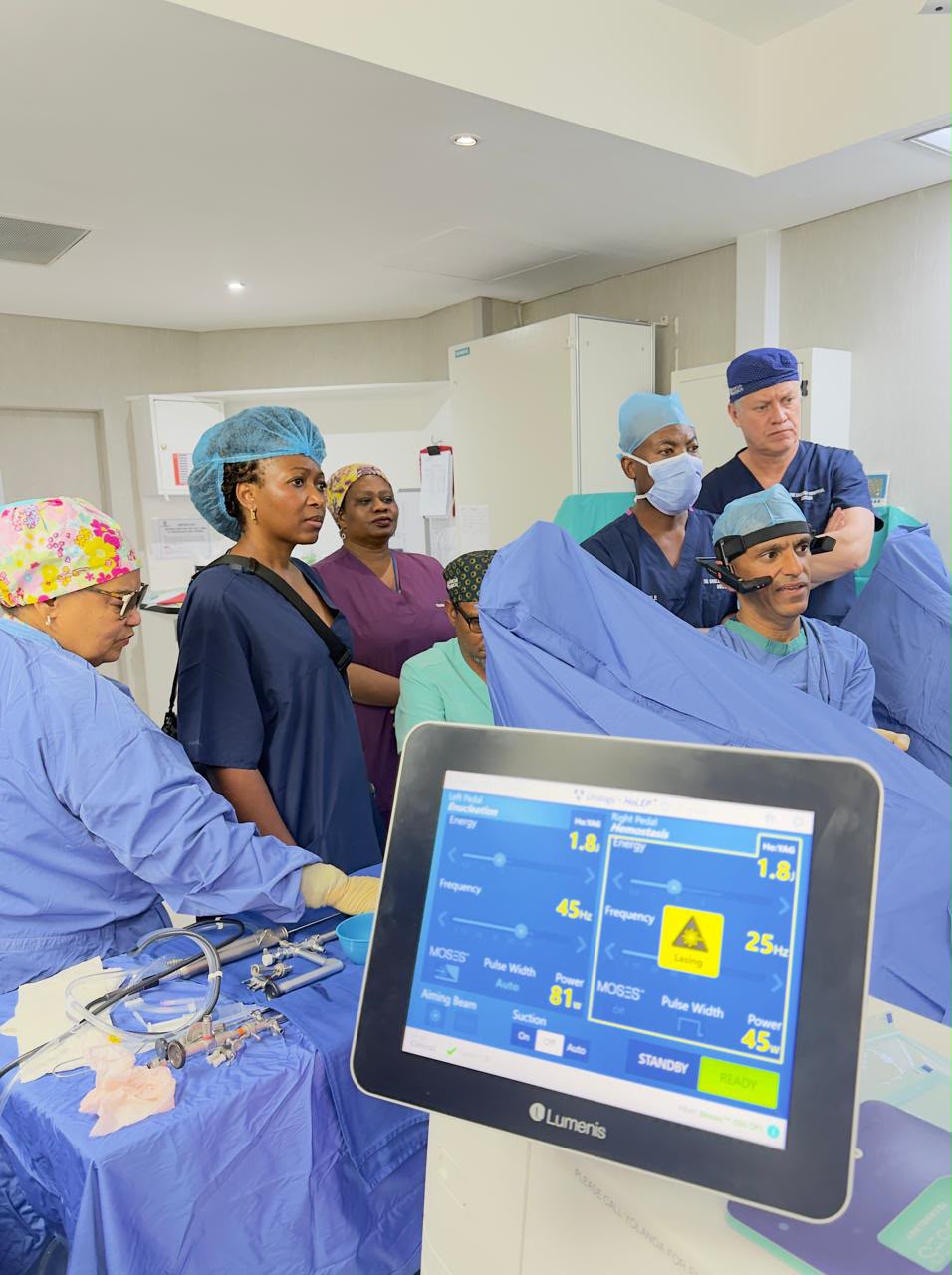
Honoured to have spent the past two days at Urology Hospital (Pretoria) leading an operative HoLEP (Holmium Laser Enucleation of the Prostate) workshop for resident

Ending 2025 on a High- with the World’s Most Advanced Laser Technology I am proud to announce a significant leap forward in surgical technology for

In April 2025, I had the privilege of attending the BPH Summit in Istanbul, a gathering of BPH specialists(who manage the ‘enlarged prostate’) and thought leaders focused on the evolving management of benign prostatic hyperplasia (BPH). The summit offered an invaluable opportunity to exchange ideas with international experts and explore how modern, minimally invasive therapies are reshaping BPH care worldwide.

Prostate cancer is the most common cancer in men. While it is highly treatable when detected early, the impact on quality of life can be significant. It is crucial for men to be informed about the disease and seek early detection and appropriate treatment.

Surgery for Stress Urinary Incontinence Suburethral Slings and Bulking Agents Stress urinary incontinence (SUI) is a condition that can significantly affect a woman’s quality of life.

Urinary Incontinence in Women: Understanding the Condition Urinary incontinence (UI) is a common issue in women that leads to the involuntary loss of urine.

Transvaginal Repair of Cystocele and Uterine Prolapse Pelvic organ prolapse, including cystocele (bladder prolapse) and uterine prolapse, can cause significant discomfort and disruption to a patient’s

Pelvic Organ Prolapse (POP) occurs when the muscles and connective tissues that support the pelvic organs—bladder, uterus, and rectum—become weakened or stretched, causing the organs